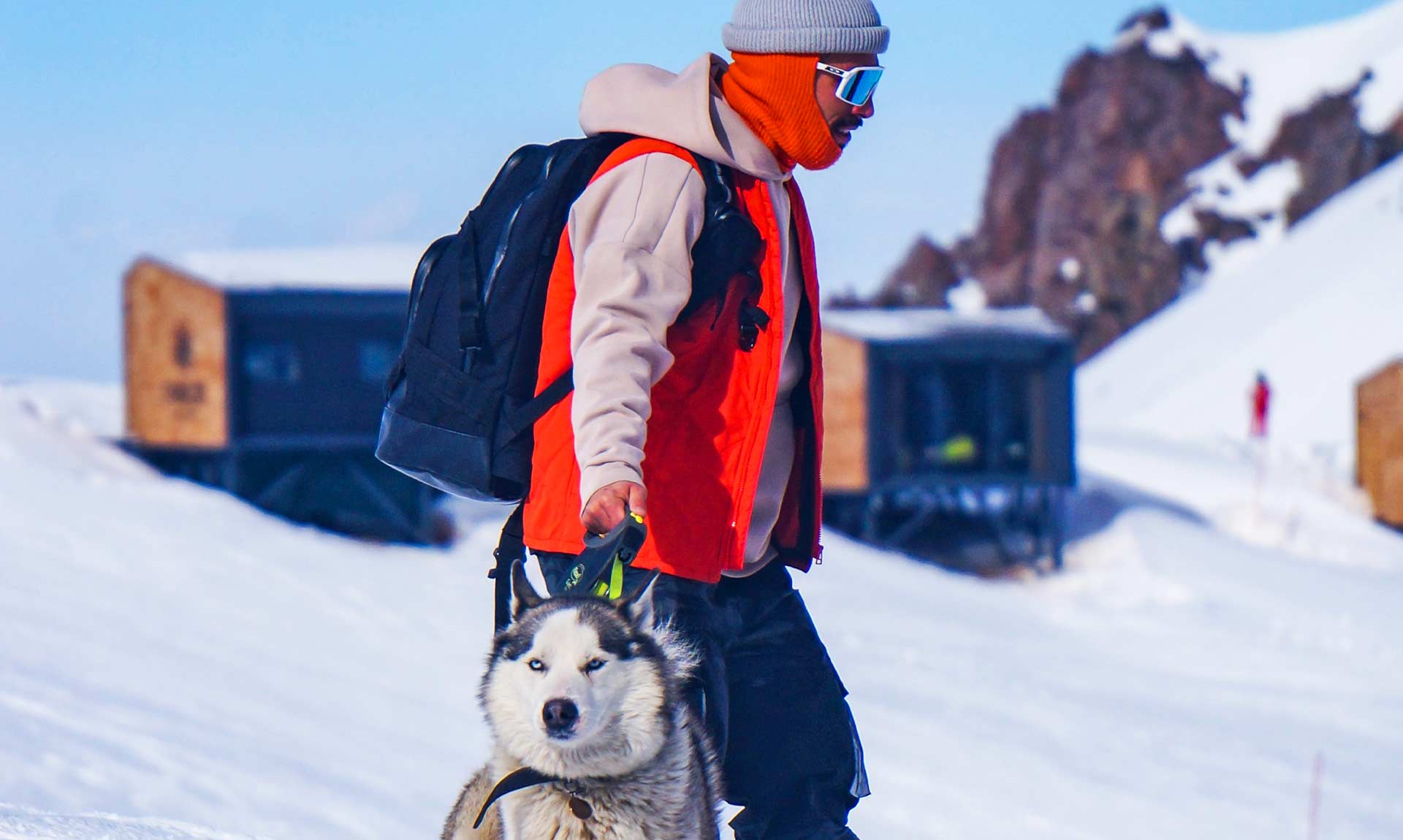
An International Student’s Journey in Northern Ontario
When Aarav (pseudonym) arrived in Northern Ontario from India, he expected cold winters. What he was unprepared for was how profoundly unfamiliar every aspect of life would feel. The transition extended far beyond adjusting to the weather. It was his first experience living away from family, navigating a different educational system, communicating in unfamiliar social contexts, and trying to build a life in a community where he knew no one. As the months passed, the excitement of studying in Canada gave way to loneliness.
Aarav struggled to find affordable food that reflected his cultural preferences, and limited transportation options meant accessing grocery stores with familiar ingredients was difficult. Rising living costs forced him to stretch every dollar, often skipping meals so he could pay rent and purchase textbooks.
The social transition proved equally challenging.
Although most interactions were welcoming, Aarav experienced several incidents of subtle racism that left him questioning whether he truly belonged. Classmates occasionally mocked his accent, and strangers made comments that reminded him he was viewed as “different.” Individually, these experiences seemed minor, but together they gradually eroded his confidence.
Winter intensified these challenges.
Coming from a warm climate, Aarav had never experienced months of snow, freezing temperatures, or limited daylight. He rarely left his apartment outside of classes, not only because of the weather but because he simply did not know where to go or how to become part of the community.
Homesickness became overwhelming.
He missed family dinners, festivals, conversations in his native language, and the comfort of a familiar culture. Video calls home became both a source of support and a painful reminder of everything he had left behind.
Initially seeking help with his résumé, the conversation quickly expanded beyond employment. The counsellor recognized that Aarav’s academic challenges were connected to much broader issues of belonging, confidence, and adjustment. Together they developed a plan that included employment support, campus engagement opportunities, and referrals to student services. Support also came from an unexpected place.
His landlord, who had rented to international students for many years, noticed how isolated Aarav had become. They explained how to prepare for winter, recommended affordable grocery stores, introduced him to local community events, and even shared practical advice about navigating Canadian life that no orientation session had covered.
These seemingly small acts of kindness had a significant impact.
By the end of his first year, Aarav had secured part-time employment, built friendships through campus activities, and felt more confident navigating both his community and Canadian culture. While the challenges had not disappeared, he no longer faced them alone.
“I thought success depended on how hard I studied. I didn’t realise that sometimes you first need someone to help you feel like you belong. Once I stopped feeling alone, everything else became possible.”
Key Persistence Factors
- Early intervention through career counselling that addressed both employment and personal adjustment.
- Informal community support provided by a caring landlord.
- Assistance navigating an unfamiliar climate, culture, and local services.
- Recognition that food insecurity and financial stress directly affected academic success.
- Opportunities to build social connections and reduce isolation.
- A campus environment where seeking help was encouraged rather than stigmatized.
Key Insight:
International student persistence is rarely determined by academic ability alone. Acclimatization to a new climate, experiences of belonging, access to culturally appropriate food, financial stability, and meaningful human connections all influence whether students feel they can continue. Coordinated support from both institutional services and the surrounding community can transform a student’s experience from one of survival to one of persistence and success.
Leadership and Practice





news via inbox
Get the latest news right to your inbox!